
What Should Florida Homeowners Know Before Adding a Room to Their House?

Adding a room to an existing home can provide valuable living space without requiring a move to another property. Whether homeowners need an additional bedroom, a larger family room, a home office, or more functional living areas, a successful addition requires careful planning. Structural requirements, local building regulations, plumbing, electrical systems, HVAC capacity, and project budgeting can all influence the design and construction process. Florida homeowners must also consider regional weather conditions, moisture management, and appropriate building materials. This guide explains what Treasure Coast property owners should evaluate before beginning a home addition and how professional construction planning can help turn an idea into a practical improvement.
How Can You Protect Indoor Air Quality During a Home Renovation?
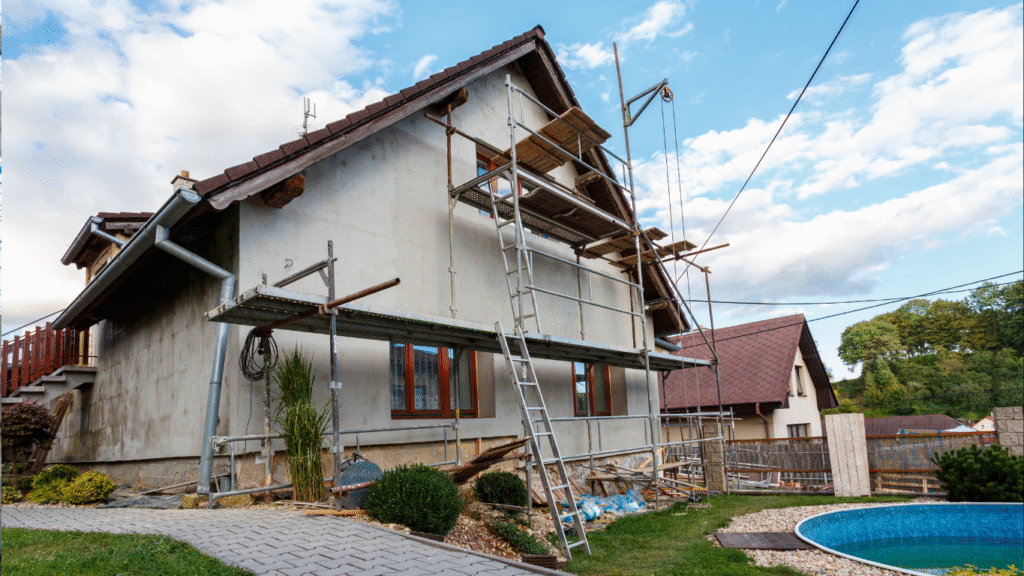
Home renovations can transform the appearance and functionality of a property, but construction activities may also introduce dust, moisture, odors, and other indoor air quality concerns. Demolition, sanding, painting, flooring installation, and changes to ventilation systems can affect the air inside a home, particularly when occupants continue living there during the project. In Florida’s humid climate, moisture management adds another important consideration. Understanding how to plan for dust containment, material selection, ventilation, and professional construction practices can help homeowners approach renovations more confidently. This guide explains why indoor air quality matters during remodeling and what Treasure Coast property owners should discuss with their contractors before work begins.
What Should a Remodeling Estimate Actually Include?

When homeowners compare remodeling estimates, the total price often receives the most attention. However, two estimates with similar—or very different—bottom lines may not include the same scope, materials, assumptions, or responsibilities. A useful written estimate should help homeowners understand what work is being proposed, which materials are included, what the anticipated timeline looks like, and where additional decisions may affect the final project cost. Understanding the difference between a clearly defined scope and a vague price can make contractor comparisons more meaningful and reduce confusion after construction begins. Before selecting a contractor, homeowners should review the details behind the number rather than automatically choosing the lowest bid.